
logo
natural and organic products
phone us
menubar
phone us
Oopsie, You need javascript on to navigate this site, please ensure javascript is enabled
spacer
On Sale
pregnancy
Pre-natal Care
Post-natal Care
Fathers 2 B
Childbirth
Pregnancy Retreat
Birth Videos & DVDs
baby_shop
Out & About
Organic Wool
Breast & Bottle
Organic Baby Food
Organic Cotton Clothing
Organic Furniture
Bed & Bath Time
Baby Toys & Teethers
Gift Ideas
nappies and diapers
Nature's Child Organics
Cloth Nappy Needs
Weenee Eco-Disposables
7th Gen Disposables
Nappy Covers
children_shop
Safe Drinking Bottles
Wooden Toys
Stories & Songs
Steiner Play
6 - 12 YRS
bookshop
Books/Video/DVD/CDs
Parenting Magazines
Information Packs
home_lifestyle
Natural Bed Linen
Organic Personal Care
Earth-friendly Laundry
byron_bay
Family Accom.
Organic Shops
LINKS
Enviro Links
Parenting Links

Which Nappy for You?


When it comes to nappies, the big disposable nappy companies have the big budgets and dominate the market with information and imagery. Be aware of the overwhelming influence these companies have in the parenting market and how this affects our outlook and beliefs about nappies. You will start to notice that the imbalance is privately funded and therefore not necessarily in the best interests of ourselves or our children. Make your own decisions based on careful research.

Most parents spend more time researching equipment that will be used once a day. Few parents do any research at all about nappies and yet it is the most used piece of baby equipment in your household and is the closest thing to your babies skin all day and night for years.

The switch from parents predominantly using cloth nappies to the dominance of disposable nappies has only occurred in the last decade. Some parents would never consider using cloth. Some parents would never consider using disposables. Lets look at why on both counts.


When you are deciding on a nappy system for your child(ren), weigh up the:

  1. Convenience: It needs to be easy to use
  2. Price: It needs to suit your budget
  3. Waste Disposal: What happens to it when you no longer need it?
  4. Environmentally safe: It needs to take care of our earth
  5. Healthy: It needs to be good for your baby
  6. Washing: It needs to be simple and organised

The order of importance of these factors varies widely among parents. Be aware that the benefits and ease of an alternative system to what you are using now may currently be overlooked.


1 - Convenience: It needs to be easy to use

There are three styles of highly convenient nappies on the market. Standard disposables, Composting disposables and fitted-cloth nappies.

You can buy disposable nappies from most supermarkets and chemists. These are made from layers of paper and plastic and contain gels which absorb the wee and poo. If choosing these all in one systems, make sure you follow the instructions on the packet and don't throw the poo away with the nappy. Raw Sewerage in our landfill is a health hazard and is illegal. While disposable nappy companies take care in telling you this in their instructions, the design of the nappy means it is more likely people will throw the whole nappy with undisposed poo away in the bin. Raw Sewerage from babies means live vaccines in our landfill. Untreated sewerage is a health hazard. The laws are there to protect our health. Use a loose liner inside them ( preferable biodegradable so you can throw it away down the toilet easily ) This will also protect your babies skin from the gels as well. You can also use a cotton liner inside a throw away disposable nappy so your baby's skin is protected.

You can also use biodegradable disposables which are compostable. These break down between 90 - 150 days, are flushable & do not fill our landfill. The design also encourages you to dispose of the sewerage where it is supposed to go. See our nappy shop for samples

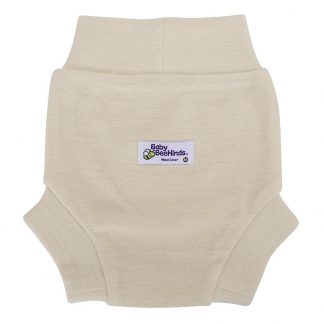
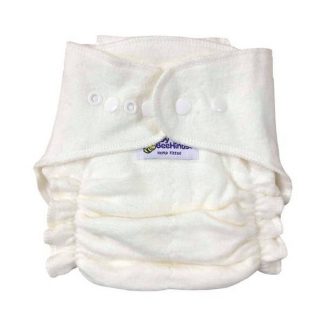
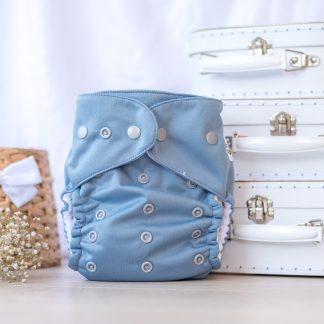
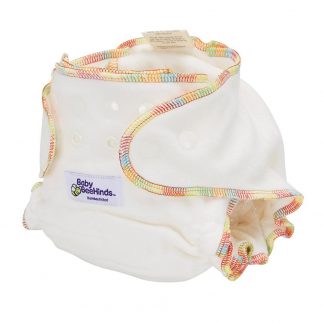
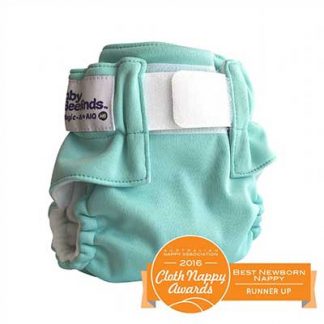
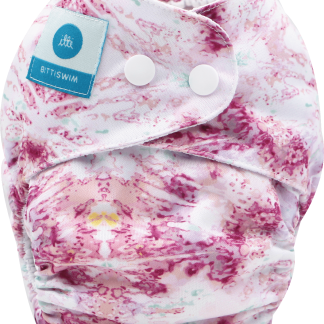
Fitted-Cloth nappies have been developed over the last two decades and are now very efficient in design. They are a response to the contemporary need for an easy to use cloth nappy. They retail between $15 - $45 each, depending on the quality, country of origin and fabric used. Some brands are one-size fits from newborn to toddler and other brands have small, medium and large sizes. They are very economical and easy and can be used on more than one child in a family. Fitted Cloth-nappies look like disposables; they have gathered elastic at the legs and use Velcro or snap closures. Velcro, snap, or pull on nappy covers can be used as well. No folding or pinning is required

Many people find traditional square nappies to also be convenient with practice and a well-organised system.

2 - Price: It needs to suit your budget


If you choose a full-time disposable system, you will need to spend between AUS$3500-4000 on disposable nappies for one child from birth through toilet training.

Fitted-Cloth nappies for the same period for one baby will generally cost approximately AU$400-600; These nappies can then be used on 2nd and 3rd children too!

Square nappies that you fold in Terry Towelling, Muslin or Flannelette cost under $100 to set up in the beginning. You have on-going costs of nappy liners, fasteners and covers.

Washing Powders and a good environmentally-friendly nappy soak costs approximately $120/ year. It often suprises people how cost effective this is and sometimes cheaper than what you are using now. See our household shop for earth-friendly detergents.

3 - Environmentally safe: It needs to take care of our earth

There has long been arguments around about cloth and disposable nappies being equally environmentally safe. No-one has quite convinced me yet that filling a bin every week with plastic and chemical gels, often with raw sewerage inside, is better than re-using fabric and washing weekly in organic washing detergents. But, the jury is still out on the facts! The disposable companies like this argument, it helps them sell more nappies, cloth nappy advocates think it is rubbish but the truth is that there has never been an independent study to assess the facts. There is an urban myth about a “study” ( what study?) that proved they were equally environmentally sound. ( If you do find this “study” - and find out who funded it while you are there – please let me know) Yes, you will untimately decide for yourself but make sure you know all the facts first! And remember, it is never too late to change. If you are mid-way through a nappy life of your baby, check out some fitted cloth nappy options. If you tried them all with your first baby, don’t assume it will be the same with your second or third, every baby has a different body and different things will suit!

4 - Healthy: It needs to be good for your baby


The main issue with nappies that people fear is nappy rash. Nappy rash is primarily caused by an acidic diet or skin trapped by warmth and wet. (Speak to your naturopath for advice to avoid nappy rash ) Many babies have a skin reaction to gels used in disposables. Use a cloth or biodegradable liner in a disposable to protect their skin if this applies in your family. ( remember, the skin is an organ and absorbs everything that touches it, so consider the creams or powders you may be using too ). When using cloth nappies, use a cloth nappy liner that absorbs the wetness away from babies skin or a compostable disposable nappy liner that will protect their skin and also ease the mess at change time.

Studies are currently being undertaken about the disadvantages of baby boys in disposable nappies. Scientists are exploring the link between infertility in later life with high scrotal temperature for babies in disposables. Ask me to send you part of the study so far if you are interested. I am not sure why the study is only being conducted on boys, I imagine there are similar issues of concern for girl babies. Whatever nappy system you use, always give babies lots of nappy free time where possible. Have some cloth nappies that they can lie and sit on with a bare bottom at home. Their skin is an organ that needs to breathe.


5 - Washing: It needs to be simple and organised


Nappies need to be washed every second day using a dry or wet system. It is good to give yourself a day off washing and totally possible with a well organised system and enough nappies on hand.

1. Wet Method: You need two buckets. One for pooey nappies. One for wet nappies. Fill your bucket about a quarter - half full with cold water; add a half cup of baking soda and vinegar, or an environmentally friendly pre-wash soak. After shaking off any excess poop into the toilet, simply toss nappies into the pail. ( If your child's poos are too wet to do this, consider a nappy liner that you can dispose of with poo on it, or use a washable one that will be easier to clean. Or - use a Little Squirt, a hose that attached to your toilet that squirts poo easily into the loo.

If you are using a wet pail, make sure you keep the lid closed and lock the laundry if you have toddlers who like to explore! When full, empty the whole bucket into the washing machine - water and all! Run nappies through a spin cycle to get rid of dirty water, then wash on longest cycle HOT/COLD with your favourite earth-friendly detergent or half cup of baking soda. Use vinegar or an organic fabric softener if you choose ( a personal choice but not necessary) or add during the rinse cycle. Optional: add a few drops of lavender or tea tree which make the fabrics smell nice and act as a natural disinfectant. Sun drying will also bleach the nappies and diminish any minor poo stains still on the nappies. Rinse out your nappy bucket with hot water and optionally with ti-tree or lavender to disinfect.

2. Dry Method: This may be preferable if you have an inquisitive toddler in the house. Also great if you are the one doing the washing and may find a wet bucket too heavy to lift into the machine. A better option in terms of caring for your back! ALSO BETTER DURING a DROUGHT or if you are on land relying on tank water. Also ideal if you live in a flat and need to carry your nappies downstairs for washing!

Sprinkle some baking soda in your nappy bucket. It is optional to add a few drops of lavender or tea tree as well.

If you are using a disposable liner, throw soiled liner in toilet and toss wet nappy into the bucket. If the nappy is soiled, toss the poop into the toilet, run cold water over the nappy, spray some stain remover on the nappy if you wish, and throw it into the bucket. Keep the lid closed. If you don't like the smell, use lavender or ti-tree to keep the bucket smelling nice and to disinfect. When you are ready to wash use the same instructions as above. Place nappies in dryer 30 - 60 minutes or preferable, hang in sun to dry. The Sun also acts as a natural bleach to whiten nappies and will usually remove any minor colouring from poo left on nappies.

Parent Tip: Toddlers love to help hang out nappies! Make this an activity in your day. Give them their own basket and washing line if they are particularly keen.

Nappy Covers can be washed with your nappies as above. Or you can prolong their life by soaking them separately and hand-washing in a bucket. If you soak poo ones for half and hour, they are easy to hand wash when you are ready. Wet ones can be hand washed quickly and hung to dry so they can be re-used on the same day.

If using machine wash, use a WARM/GENTLE cycle. Always consult washing instructions on your covers and decide which will work best for you.

No-one I know uses cloth nappies, what are my options?

1. Fitted Cloth-nappies: These nappies look like disposables; they have gathered elastic at the legs and use Velcro or snap closures. Velcro, snap, or pull on nappy covers can be used with fitted diapers. No folding or pinning is required with any type of fitted-cloth nappy.

2. Square Terry towelling nappies have been used successfully for centuries - You just need to know how to fold it effectively! They don't need to restrict babies legs or leak as some people think. I am still grateful to my midwife who showed me some great tips which I now pass on to customers when they pop in. I can post you some nappy folds if you like, just ask me?

My tip: After folding your cloth nappies in whichever way you do, tuck (or roll) the nappy up the thigh to create an “undies” look. This keeps babies legs unrestricted for movement and totally prevents any leaks.

3 - Some nappy covers are now designed to hold a terry towelling nappy in a rectangle pad shape, reducing the need for folding or using clips

4 - Nappy Liners are wonderful! Cloth ones are inexpensive and keep babies bum really dry! Disposable ones cannot be thrown down the toilet, they will clog your system, unless you get a biodegradable brand, and then they are brilliant and mean you never have to wash poo when using cloth nappies.

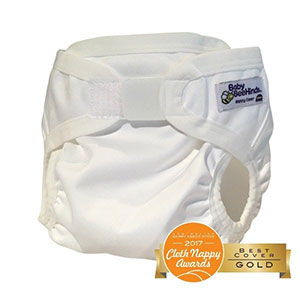
5 - Nappy covers need to be breathable and not bulky. Try a few out until you find one you like. Avoid PVC and plastic, skin will not breathe in these fabrics.

The trick to square nappies is that however you fold them, you need to tuck them up around legs to prevent leakage and reduce leg restriction. Get the knack of this and they are easy and effective.

3. What do I Need to Buy?
________________________________________

To get started, you will need at least 2 dozen square cloth nappies. Add some fitted nappies for outings or overnight use. You will also need at least 6 nappy covers and approximately 20 washable nappy liners to increase absorbency.

Ideally, you should have at least 2 dozen cloth nappies. Whether fitted or square terries. You can reduce your washing schedule by having even more. Organise your week and the amount of nappies you have to suit you. If you use nappy soakers, choose an environmentally friendly brand or use bi-carb soda with some essential oils like lavender or tea tree in the nappy bucket.

If organised well, you can get away with only washing nappies 2 - 4 times a week. Not every day.
*large nappy bucket ( I had two, one for wet nappies only and one for pooey liners)

When you are out of the House
________________________________________

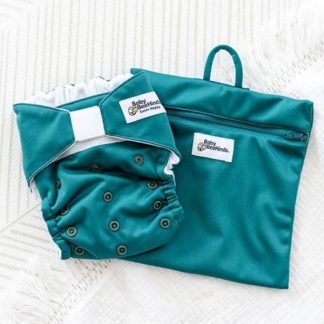
Take a reusable waterproof nappy bag for wet nappies when you are out. Or use brown paper bags or biodegradable cellophane nappy bags to store used nappies. These can be washed and reused too, or composted.

*Take a wet face washer in a container for wiping bottoms! This can save you a small fortune instead of buying nappy wipes.

Flushable nappy liners are great for when you are out of the house or for every nappy change to never have to scrape poo

© Jannine Barron
Email customerservice@natureschild.com.au

 
Search
Customer Login
Your Email
Password

Lost your password?
Click Here

Shopping Cart

Your shopping cart is empty for the moment.


Newsletter
stayinformed
Free Services
  NC Stockists List

Natural Parent
Info & Resource

  Find a Doula
  Natural Baby Products
  Birth Videos
  Baby Names
  Baby Registry
  Read Birth Stories
  Parenting Articles
  Parenting Tips
  Ask our Naturopath
  Breastfeeding Questions
  Have a Blessing Way!
 
Nappies / Diapers
  Nappy / Diaper Tips & Folds
  Nappy Free
  Which Nappy / Diaper for You?
 
Your Contributions
  Customer Feedback
  Giving Globally
 
For Our Children
  Stories, Poems & Wishes


banner


Our top ten
  Refill Wet Wipes Pkt 80, $9.95
  Bottom Balm - Organic Calendula and Comfrey, $14.95
  Glass Feeding Bottle, $7.95
  Bioliners Roll of 200, $24.95
  Snappi Nappy Fastener, $4.95
  Travel Size Wet Wipes Pkt 40, $6.95
  Organic and Biodynamic Goats Milk, $35.95
  Enviro Nappy Bags, $9.95
  Dri Liner to Prevent Nappy Rash, $19.95
  Certified Organic Insect Repellent Spray, $18.95

About Us | Pregnancy | Baby Shop | Nappies | Children's Shop | Homewares | Retreats | Links | Sitemap

MAIL: PO BOX 1040 BYRON BAY NSW 2481 PHONE ORDERS: TOLL FREE 1300 555 632

EMAIL: customerservice@natureschild.com.au

earthhands

Natural Baby Products, Nappies, Cloth Nappies, Cloth Nappies Supplier, Washable Nappies, Reusable Nappies, Organic Nappies, Cotton Nappies & More!